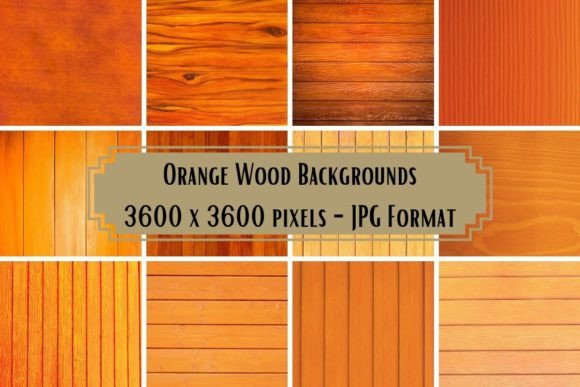
Wood Textures Backgrounds: Authentic Digital Assets for Modern Design
The Organic Appeal of Wood in Digital Design
In a digital landscape often dominated by sleek gradients and sterile vector graphics, there's a growing hunger for authenticity. Designers, marketers, and creators are constantly searching for elements that add warmth, character, and a tactile sense of reality to their work. This is precisely where high-quality wood textures backgrounds become invaluable. They are not just images of timber; they are sophisticated design assets that evoke feelings of craftsmanship, reliability, and natural beauty. A well-chosen wood texture can instantly ground a modern layout, provide a rich backdrop for typography, or add a layer of depth that flat colors simply cannot achieve.
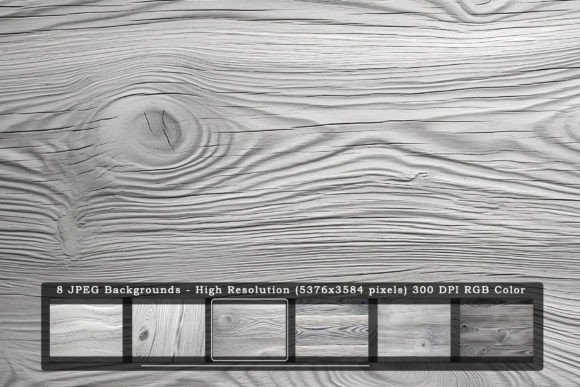
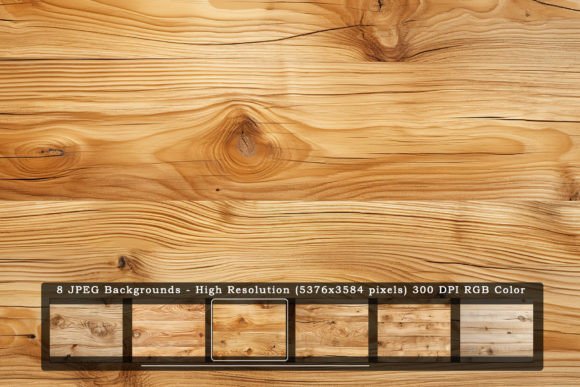
This particular collection offers a curated set of six distinct wood textures, each captured in stunning high resolution. The personality of these textures ranges from the rustic, weathered grain of reclaimed barn wood—perfect for projects with a vintage or artisanal vibe—to the clean, subtle lines of polished oak or maple, which lend themselves to more contemporary and professional applications. The overall appeal lies in their versatility and inherent warmth. They act as a powerful creative font for the background, setting a definitive mood before a single word of headline text is even placed.
Practical Applications: From Brand Identity to Social Media Stories
The true strength of a premium resource like this is its cross-platform utility. For a small business owner developing their brand identity, a wood texture can form the cornerstone of a visual system. Imagine a coffee roaster using a dark, rich walnut texture as the background for their website's hero section, their product packaging, and their social media templates. This creates immediate consistency and professionalism, telling a cohesive story about quality and care. The texture becomes synonymous with the brand's promise.
For designers and marketers, the applications are nearly endless. These backgrounds are ideal for:
- Web Design & Landing Pages: Use a subtle wood grain to add depth behind a pricing table or call-to-action block, making it stand out without overwhelming the modern typography.
- Editorial Design & Presentations: Transform a standard PowerPoint or Keynote slide into an engaging visual experience. A wood texture slide can serve as a perfect title card or section divider in a pitch deck.
- Social Media Graphics: Create scroll-stopping Instagram posts, Facebook ads, or Pinterest pins. The texture provides a ready-made, visually interesting stage for quotes, product shots, or announcements.
- Print Projects: The high-resolution 5376×3584 pixel files at 300 DPI ensure that flyers, posters, and prints will look crisp and detailed, even at large sizes. This is crucial for any commercial print job where image quality is non-negotiable.
- App and UI Design: Integrate textures into specific UI elements like a dashboard background or a settings screen to create a more immersive and less generic user experience.
Even personal projects benefit immensely. A crafter can use these textures as digital paper for scrapbooking, as a backdrop for product photography, or to create unique, printable wall art. The high resolution means you can crop in on a specific interesting knot or grain pattern and still have a perfectly usable image.
Integrating Textures with Typography and Visual Hierarchy
A common challenge with rich backgrounds is ensuring readability. The key is to use them strategically to enhance, not hinder, your visual hierarchy. Wood textures, with their organic lines and color variations, work exceptionally well with certain types of typography. A bold, clean sans serif font often creates a beautiful contrast against a detailed grain, making headlines pop. Conversely, an elegant serif font or a fluid script font can complement a smoother, lighter wood texture, creating a harmonious and sophisticated feel for luxury or lifestyle brands.
When testing font pairings, consider the texture's personality. A rugged, knotty pine texture might pair better with a strong, geometric display font than with a delicate handwritten font. Always test your text on the background at the actual size it will be viewed. Use techniques like adding a subtle dark overlay or a soft drop shadow to your text layer to ensure it remains legible, especially on textures with high contrast.
A Guide to Selecting and Using Your Digital Assets
When evaluating a set of wood textures backgrounds, consider more than just the number of files. Look at the variety of tones and grains offered. A good set will provide options for different moods—light and airy, dark and moody, warm and rustic, cool and modern. This collection's inclusion of both JPG and PNG files is a practical advantage, offering flexibility for different project needs.
Here is a practical workflow for integrating these assets:
- Assess Your Project's Voice: Is your brand warm and traditional, or sleek and contemporary? Choose the texture that aligns with that personality.
- Test Before Committing: Place your logo, headline text, and key graphics over several texture options. Evaluate the overall balance and readability.
- Adjust for Your Needs: In your graphics editing software, don't be afraid to tweak the texture. Adjust the brightness, contrast, or saturation to better match your color palette. You can also blur it slightly to make it more of a subtle background element.
- Ensure Commercial Viability: This set is delivered with a license for commercial use, which is essential for any professional work, from client projects to your own business marketing. Always double-check the license terms.
- Organize Your Assets: After downloading the zip file, save these textures in a dedicated "Design Assets" or "Backgrounds" folder. Good organization saves immense time on future projects.
Ultimately, investing in a high-quality, versatile set of textures is about expanding your creative toolkit. Wood textures backgrounds provide a foundational element that can elevate a design from flat and digital to rich and tangible. They offer a shortcut to creating professional, engaging visuals that resonate with audiences seeking authenticity in an increasingly virtual world. Whether for a major brand overhaul or a simple social media post, the right texture makes all the difference.